

AI Isn’t Replacing Creativity – It’s Unlocking It
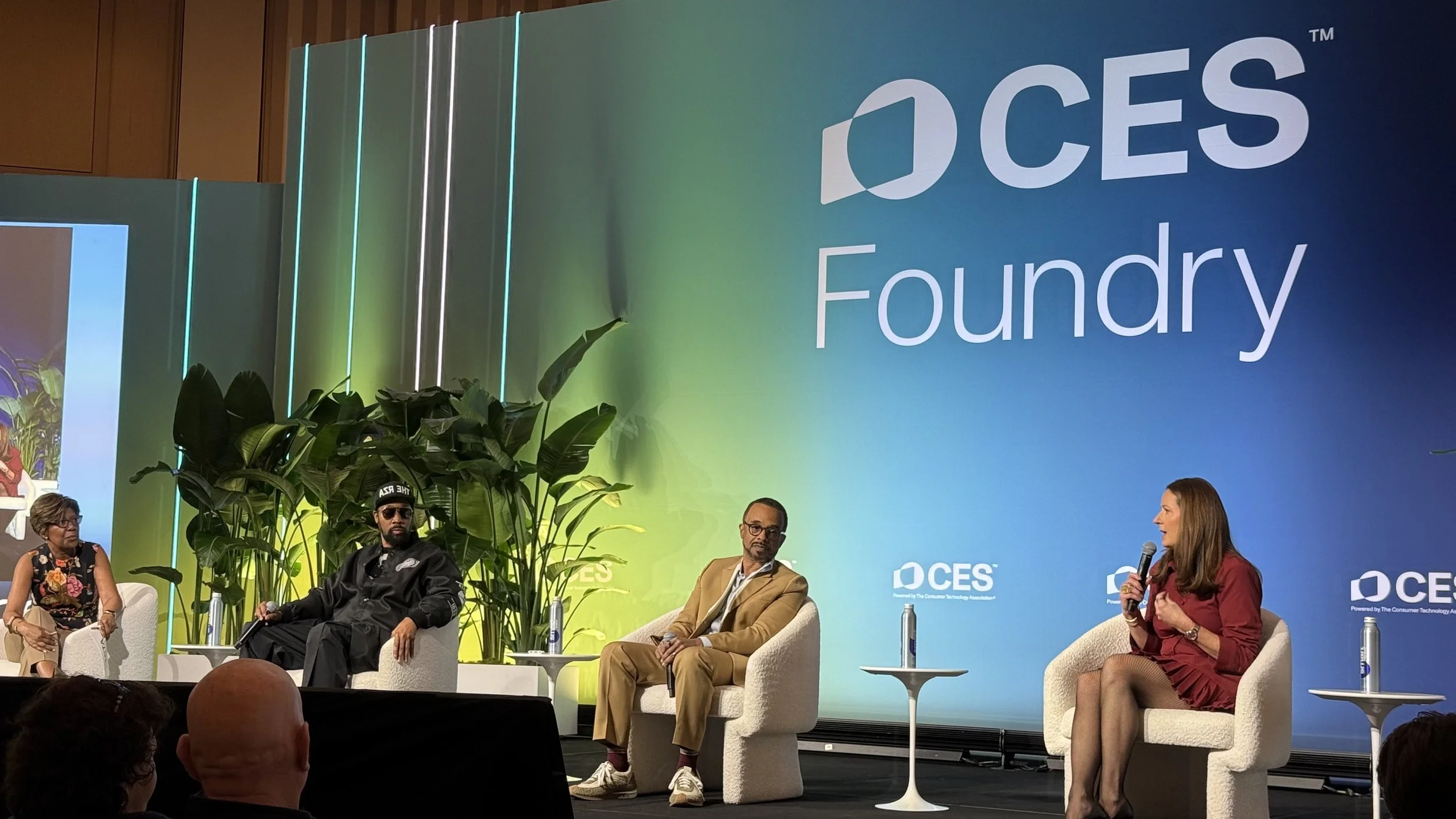
Key Takeaways from CES on How AI Is Reshaping Creative Industries
Demir Digital spent time at CES this year, and one message came through clearly: AI is no longer a productivity add-on; it’s becoming a foundational creative partner.
Across entertainment, music, immersive experiences, and storytelling, leaders showed how AI is accelerating creative ambition while preserving artistic integrity. For brands and agencies, this shift signals a fundamental change in how ideas are conceived, produced, and brought to market.
Here’s what stood out, and why it matters for the future of marketing and creativity.
AI as an “Assistant Intelligence,” Not a Replacement
One of the most compelling reframes came from Grammy-winning rapper, producer, actor, author, and filmmaker RZA, who described AI not as artificial intelligence, but as “assistant intelligence.”
In practice, that means:
Cutting production timelines from days to hours
Allowing rapid ideation, iteration, and even failure – without traditional cost penalties Lowering barriers for creators and communities with fewer resources
AI doesn’t replace human creativity. It removes friction, enabling more ideas to be explored, refined, and realized faster than ever before.
For brands, this translates to faster experimentation, more creative testing, and the ability to move at the speed culture now demands.
From Impossible to Immersive: AI at Enterprise Scale
A standout example was Sphere's transformation of The Wizard of Oz into a 160,000-square-foot immersive experience displayed on a 16K spherical screen.
AI made this possible by:
Recreating missing visual elements using models trained on licensed studio footage
Maintaining character continuity across spherical projection Enhancing resolution and scale far beyond traditional production methods
The result?
Over 1.8 million tickets sold since launch
A new benchmark for immersive, AI-powered storytelling
Proof that audiences are not resisting AI; they’re rewarding it when it’s used responsibly
The key lesson: ethical AI + creative ambition + stakeholder alignment builds trust and demand.
Speed, Cost, and Competitive Advantage
AI’s impact isn’t theoretical – it’s financial.
In music and film scoring:
AI-enabled demos reduced orchestral recording costs by up to $60,000 per day
Studio time dropped from 10–12 days to just one
In visual production:
AI cut animation timelines by 70% or more
What once took months can now be done in weeks
For marketers, this means:
Faster campaign turnarounds Reduced production risk
More room for bold creative experimentation
Speed isn’t just an efficiency gain – it’s a competitive advantage.
AI Is Becoming a Creative Infrastructure Layer
Tools showcased at CES are moving beyond “nice-to-have” productivity aids. They now function as:
Storyboarding engines that translate ideas into visuals instantly
World-building tools that refine lighting, facial expressions, and environments Collaboration bridges between creative teams, engineers, and stakeholders
Importantly, speakers emphasized that human judgment remains essential. AI outputs still require expert curation, creative direction, and quality control. The magic happens in the collaboration, not the automation alone.
The most successful teams start with a clear creative goal or problem, then apply AI intentionally – not experimentally – for its own sake.
What This Means for Brands and Agencies
The bigger shift isn’t about tools; it’s about mindset.
AI is:
Unlocking stalled ideas that were previously too expensive or complex
Democratizing access to high-end creative capabilities
Accelerating the move from incremental improvement to rapid experimentation
In this new landscape, human creativity becomes the scarce resource, and AI becomes the multiplier.
For brands, this opens the door to:
New formats of immersive storytelling
Faster cultural relevance
More authentic, engaging experiences at scale
Our Take
The future of creativity isn’t human or AI. It’s human creativity, amplified by AI – used responsibly, strategically, and with intention.
At our agency, we see AI as a core enabler of modern marketing. Not a shortcut, but a catalyst. The brands that win will be the ones who pair bold ideas with the right technology, while keeping human insight firmly at the center.
The creative economy isn’t slowing down. AI is simply giving it a faster heartbeat.
Related Reading: